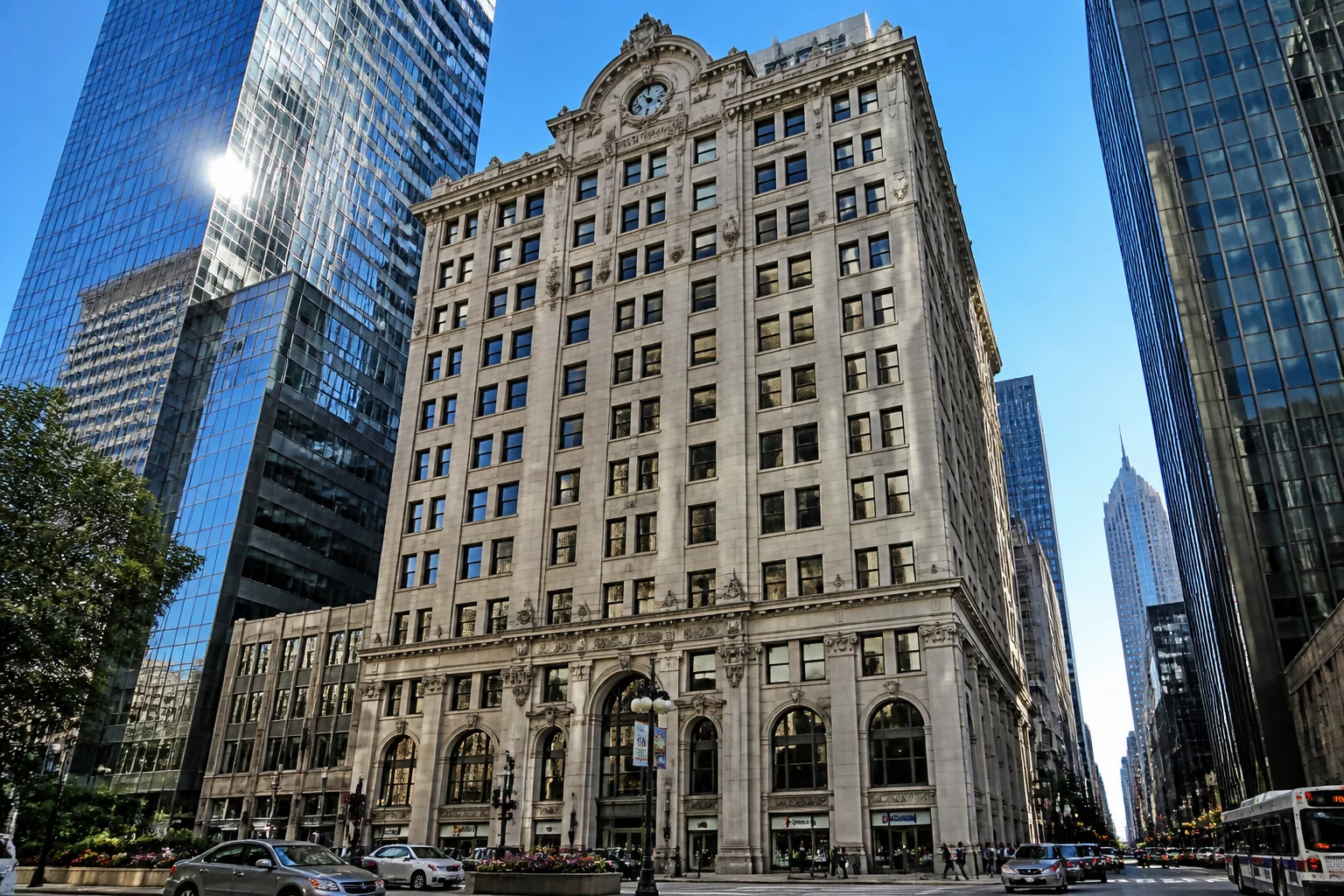
Capitalization and Phase Allocation for Downtown Boston Asset
Securing the construction debt and equity package establishes strict fiscal and building benchmarks for converting the historic 11-story commercial property at 31 Milk Street into premier residential units. The capital disbursement schedule is tightly coupled to granular element status verifications, ensuring every architectural tier undergoes disciplined existing-to-proposed ledger accounting.
01 Strategic Capitalization and Phased Conversion Framework
The formal closure of debt and equity financing for The Residences at 31 Milk marks a crucial turning point for Boston's Financial District. Adaptive reuse of a dense 1920s high-rise introduces complex structural dependencies. The loan agreement explicitly requires verifiable digital element states prior to the authorization of construction tranches.
Transforming commercial office plates into boutique residential units demands an uncompromising approach to historic facade preservation, vertical utility riser insertion, and structural reinforcement. Load-bearing masonry, historic window embrasures, and floor slabs are cataloged in the PhaseTrace ledger to guarantee total visibility for institutional stakeholders and municipal preservation boards.
Capital-Release Phasing Mandate
Construction disbursements require validated digital sign-offs confirming that all demolition, structural retrofitting, and core utility conversions on assigned levels match the ledger database before subsequent phase funding is released.
Key Phasing Verification Milestones
- Baseline 3D laser scanning and structural condition documentation completed across all 11 floors.
- Selective interior demolition boundaries reconciled against historic preservation covenants.
- Vertical MEP shaft penetration mappings checked against existing concrete slab structural capacities.
- Preserved architectural embellishments indexed with discrete custody tags in the central model.
04 Frequently Asked Questions
Need Phased Project Advisory for Complex Conversions?
Our advisory team helps developers, architects, and capital partners structure transparent object tracking frameworks for adaptive reuse projects.
05 Related Documentation
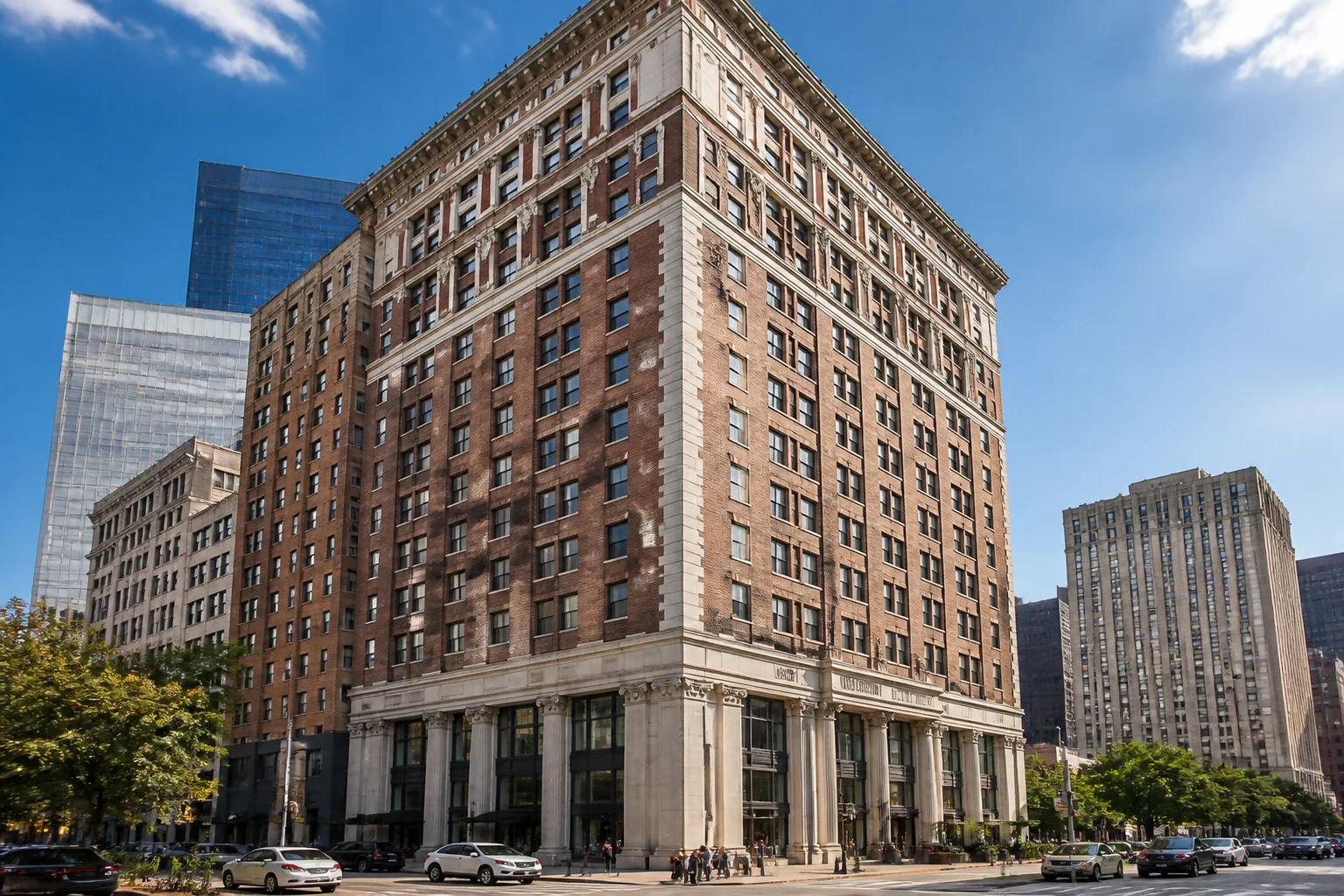
Completion of The Bellwether Adaptive Reuse Project in Chicago
Comprehensive analysis of the final transition reconciliations and as-built ledger validations for a 14-story historic building conversion.
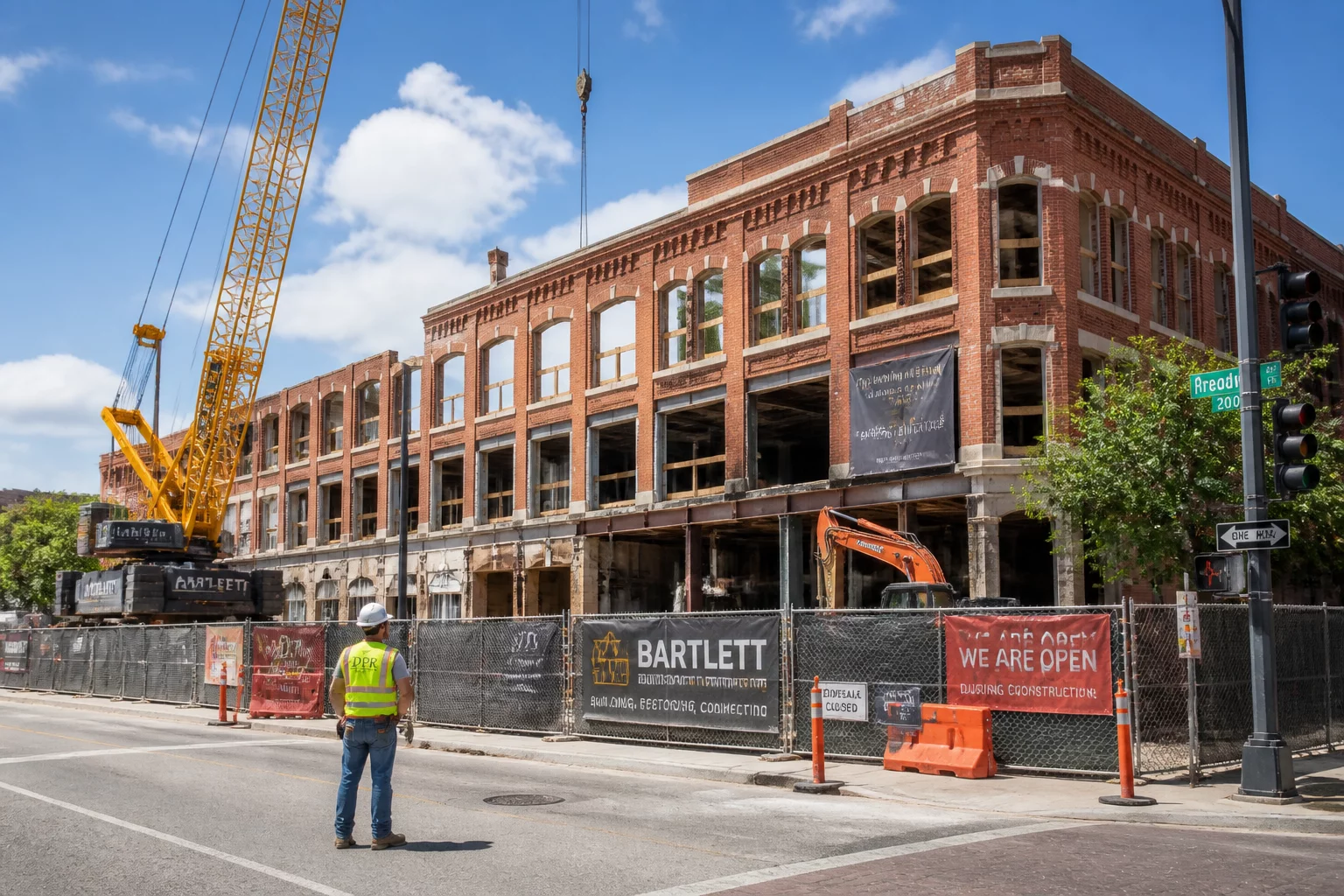
Construction Begins on The Berkeley in Atlanta
Groundbreaking and baseline survey protocols establishing phase created and removed workflows for major commercial retrofits.