
Controlling the Lifespan of Transient BIM Assets
Temporary works such as structural shoring, weatherproof enclosures, dust-containment partitions, and facade access scaffolding frequently corrupt renovation ledgers when improperly phased. This protocol establishes rigorous lifecycle parameters where temporary elements are explicitly bound to creation and decommissioning phase markers, preventing phantom geometry in final handovers.
01 Lifecycle Rules for Transient Building Assets
In phased construction and complex historical retrofits, temporary elements are crucial for structural integrity and environmental isolation. If tracked incorrectly, temporary props or hoardings persist into future model states or inadvertently trigger false material quantity estimates during procurement.
A reliable methodology demands that every temporary entity possesses both a definitive Phase Created and a mandatory Phase Demolished or Decommissioned attribute assigned at the moment of insertion. When an object exists only between sub-phases, the ledger must isolate its visibility to avoid interfering with base-building coordination models.
The Golden Invariant of Temporary Phasing
Any element designated with a temporary status flag must possess an active lifespan strictly bounded by consecutive phase milestones. Under no circumstance should a temporary entity remain unassigned to a decommissioning phase.
Temporary Element Verification Checklist
- Verify explicit assignment of creation phase and retirement phase upon placement.
- Confirm isolation in bill-of-quantities worksheets using the 'Transient' filter parameter.
- Ensure structural temporary supports carry independent load-tracking metadata tags.
- Validate that final as-built phase viewports automatically purge all temporary geometry.
04 Frequently Asked Questions
Optimize Your Phasing Protocols
Need guidance on structuring temporary asset workflows, IFC phase mappings, or complex multi-stage renovation schedules? Connect with our methodology leads.
05 Related Documentation
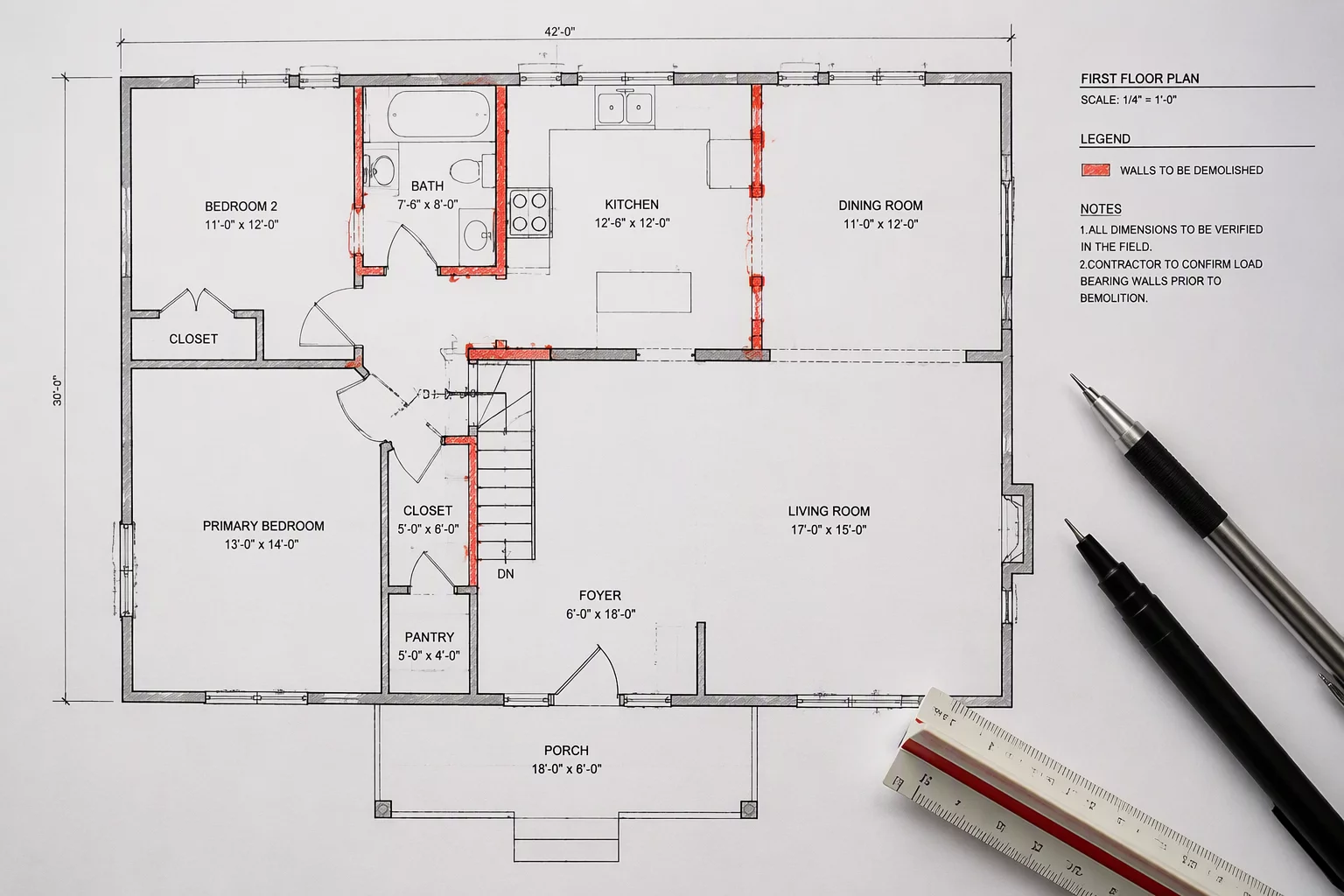
Documenting Demolition vs Removal
Precision standards for distinguishing demolished elements from items salvaged or temporarily extracted for reuse.
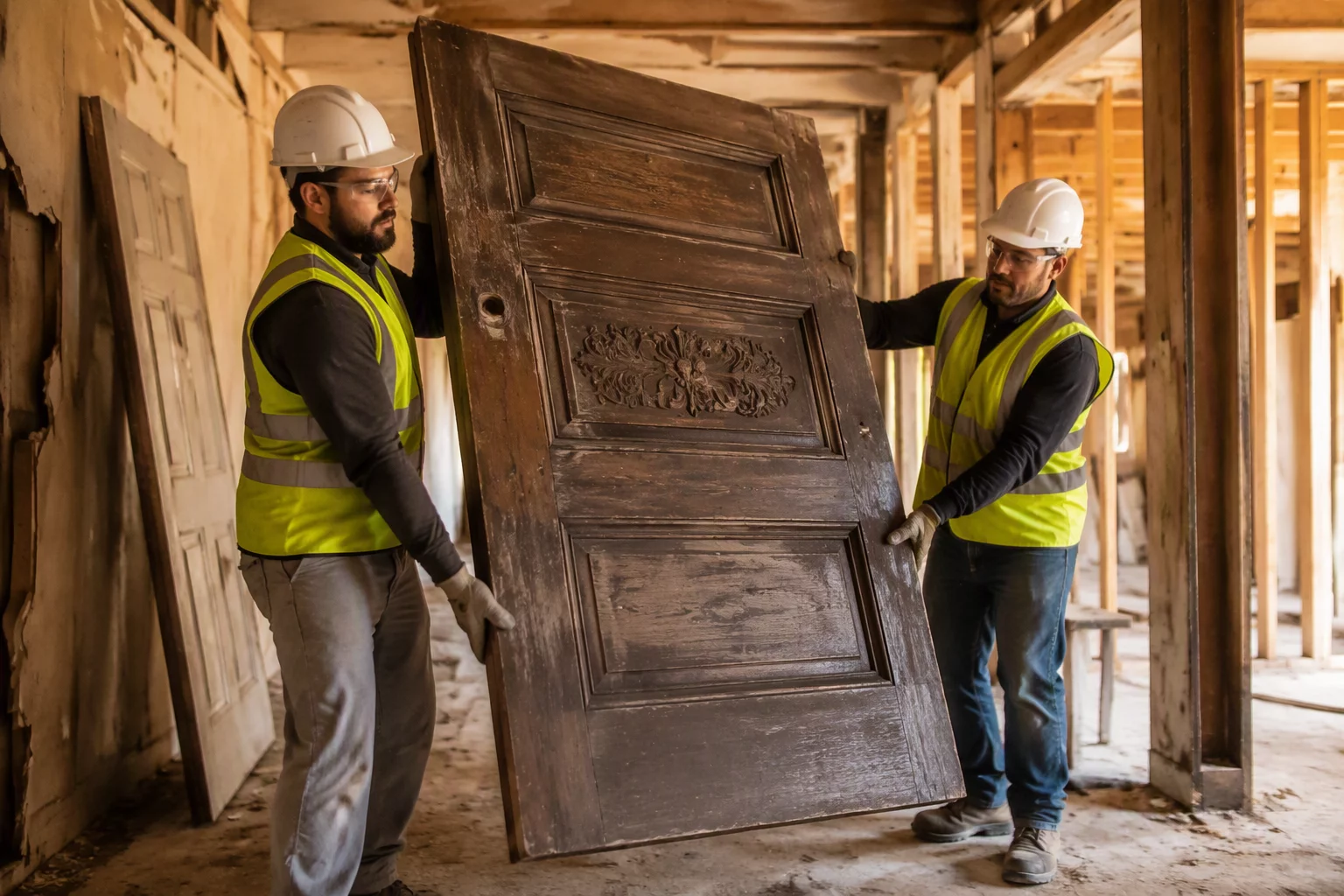
Relocated Elements Workflow
Establishing continuous data continuity when architectural features move from their original location to new destination coordinates.