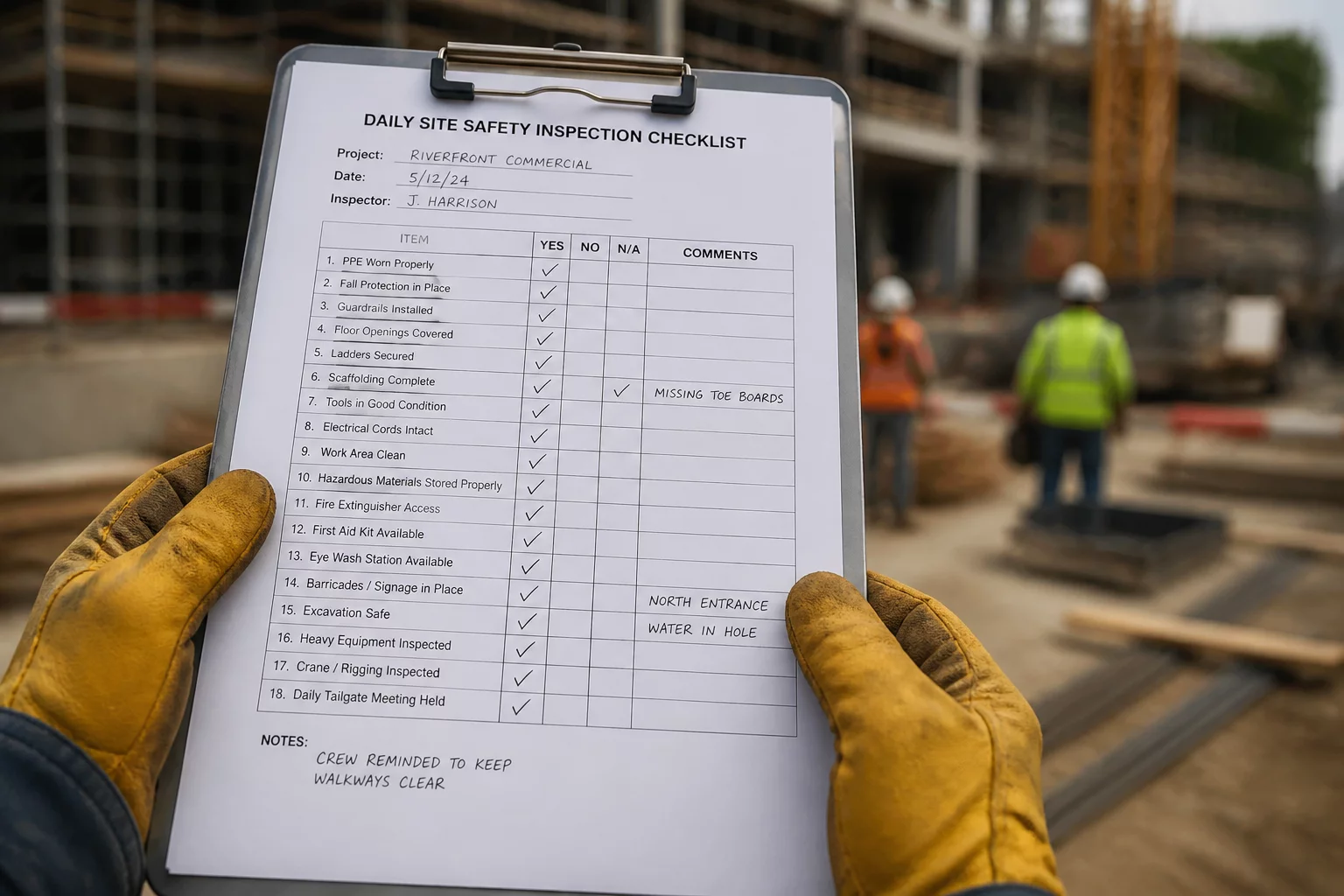
Verifying Data Fidelity Across Project Milestones
Multi-phase construction demands rigorous cross-phase audits before demolition, interim staging, or new construction models are frozen. This methodology establishes standardized transition gates that eliminate orphaned entities, broken parent-child dependencies, and conflicting demolition statuses across viewport drawings.
01 Fundamental Checkpoints for Model State Handoffs
Transitioning architectural elements from one chronological stage to another exposes BIM models to severe documentation errors. Walls marked for partial demolition can easily disconnect from preserved structural frames, while temporary shoring components frequently linger into subsequent permanent views. A standardized transition checklist operates as a hard gatekeeper prior to publishing bid packages or contractor revisions.
Every physical component in the digital model carries a lifecycle timeline consisting of creation, modification, temporary status, and removal. When an element transitions between these states, the modeler must verify that adjacent elements receive appropriate boundary adjustments without duplicating volume calculations or falsifying takeoffs.
The Immutable Transition Rule
An element cannot transition to a subsequent phase until its previous lifecycle condition is explicitly reconciled in all active schedules, cross-referenced viewports, and demolition registries. Unassigned phase states are strictly prohibited.
Core Gate Verification Checkpoints
- Complete audit of all demolished objects to ensure no downstream phase references active geometry.
- Verification that relocated components preserve their source origin and new destination coordinates in the schedule.
- Full reconciliation of temporary support elements to confirm automatic suppression in final completion sheets.
- Cross-checking graphic overrides to ensure consistent line-weight styling across plan, section, and isometric viewports.
04 Frequently Asked Questions
Standardize Your Team's Phase Transition Protocols
Submit your project email to receive our comprehensive phase audit templates, parameter matrix guides, and quality assurance workflows directly to your inbox.
05 Related Documentation

Assigning Phase Created and Removed
Detailed guide on assigning chronological phase parameters to model geometry to ensure clean data transitions and robust quantity takeoff worksheets.

Viewports and Phase Visibility
Techniques for mastering sheet viewports, graphic overrides, and class visibilities across multi-stage architectural renovation deliverables.