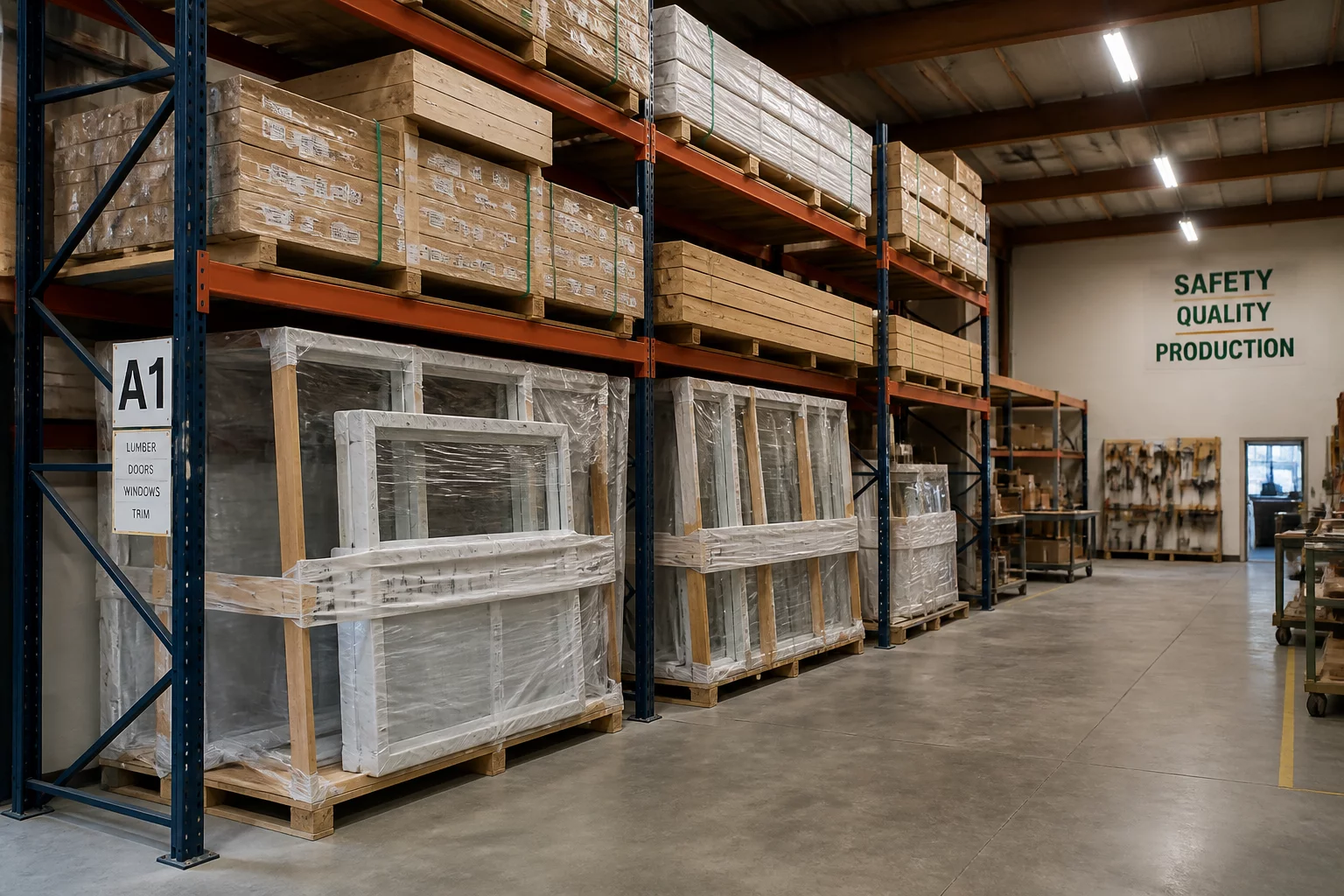
Preserving Architectural Lineage Through Phase Transitions
Renovation workflows often involve dismantling historical or reusable components that will not be reinstalled until subsequent project phases. Without a structured staging registry, these objects risk being misidentified as general demolition scrap or lost in staging warehouses. This methodology establishes explicit tracking states for staged entities.
01 Principles of Storing Reusable Objects
In multi-phase commercial and adaptive reuse projects, items such as historic millwork, structural timber, decorative fixtures, or specialized mechanical plant may be removed during early demolition phases but scheduled for reinstallation years later. Managing this intermediate dormancy within BIM and project scheduling models requires dedicated element parameters that differentiate true disposal from temporary preservation.
Disconnection between physical inventory and the 3D model causes severe schedule disruptions when stored components return to the active construction area. Maintaining unique asset tags, warehouse coordinates, and scheduled reinstatement milestones inside the BIM ledger guarantees that design teams account for these physical items in future viewport filter configurations.
Cardinal Rule: Never Mark Stored Elements as Demolished
Demolition flags in BIM completely sever object relationships and remove quantities from future procurement takeoff schedules. Stored elements must instead receive a status of 'Removed to Storage' with explicit 'Phase Reinstalled' milestones assigned before work begins.
Mandatory Staging Criteria
- Assign unique barcode identifier and digital tag matching the BIM object GUID prior to dismantling.
- Document initial baseline condition with high-resolution digital scanning and photographic records.
- Define climate-controlled storage specifications and maximum allowed dormancy duration.
- Verify phase reintroduction viewport visibility filters before closing the current phase package.
04 Frequently Asked Questions
Streamline Your Phased Element Lifecycles
Consult with our technical team on setting up reliable BIM phase schedules, salvage tagging matrices, and viewport filters for complex renovations.
05 Related Documentation
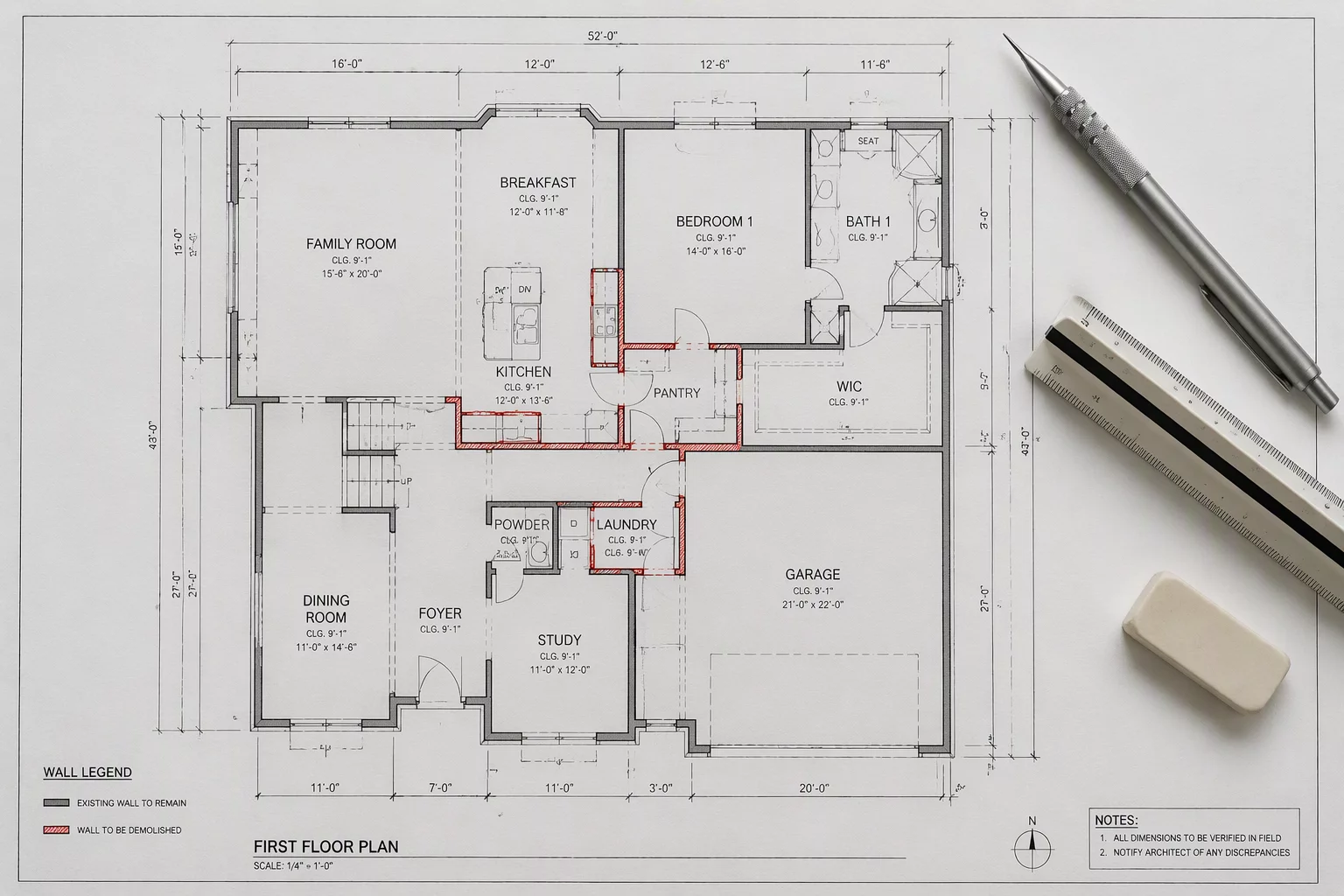
Relocated Elements Workflow
Guidelines for managing building elements that are disassembled, refurbished, and relocated to new spatial coordinates.

Managing Temporary Project Structures
Protocols for tracking temporary shoring, scaffolding, and interim partitions through phased documentation models.