
Structural Deconstruction vs. Component Salvage
In historical retrofits and phased renovations, treating an object as "demolished" rather than "removed" causes compounding inventory errors and contractor disputes. While demolition implies destruction and disposal of material mass, removal preserves component integrity for off-site storage, reconditioning, or scheduled reinstallation in a downstream project phase.
01 Conceptual Separation of Destruction and Disassembly
The primary source of error in architectural schedules stems from conflating physical destruction with procedural decommissioning. Demolition refers strictly to elements whose material integrity is terminated—masonry partition walls smashed into rubble, plaster ceilings torn down, or compromised floor slabs jackhammered. These items exit the BIM ledger permanently at the demolition milestone.
In contrast, element removal describes intentional, non-destructive disassembly. Millwork panels, period timber doors, brass hardware, and mechanical chillers are detached from their host structures without terminating their lifecycle. When an element is classified as removed, its ledger record transitions from "Existing Active" to "Staged Inventory" rather than being deleted from worksheet schedules.
Primary Rule of Phased Traceability
If an object retains material value or is scheduled to reappear in any future phase, it must never receive a Demolished phase stamp. Marking salvageable assets as demolished permanently severs their IFC global identifiers and invalidates subsequent reinstallation schedules.
Audit Checklist for Element Classification
- Evaluate whether the structural boundary can be dismantled without destroying adjoining host assemblies.
- Confirm whether the component is tagged for hazardous material remediation or safe salvage storage.
- Verify that the downstream phase worksheet contains an assigned reinstallation or relocation tag.
- Validate that procurement schedules do not duplicate quantities for salvaged assets designated as removed.
04 Frequently Asked Questions
Optimize Your Renovation Ledger Architecture
Need help setting up rock-solid phase status parameters or resolving inventory schedule conflicts across multi-stage adaptive reuse projects? Connect with our technical specialists.
05 Related Documentation
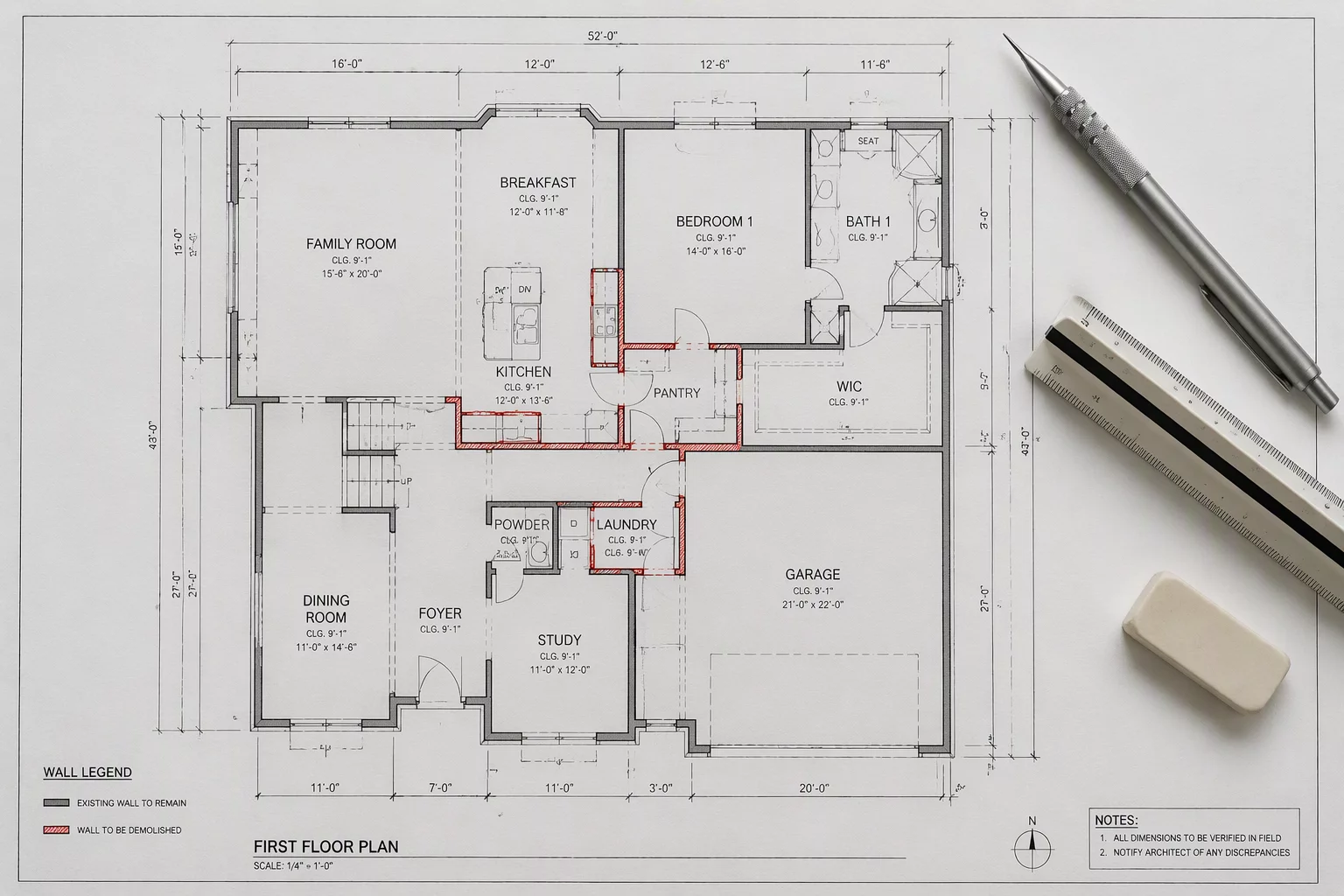
Why Demolition Plans Need Future Context
Exploring why isolating demolition drawings from upcoming installation milestones leads to structural clashes and misplaced inventory during complex retrofits.

The Life Cycle of a Reused Door
Tracking the complete multi-phase journey of a historic timber door from unmounting and restoration through staging to final reinstallation.