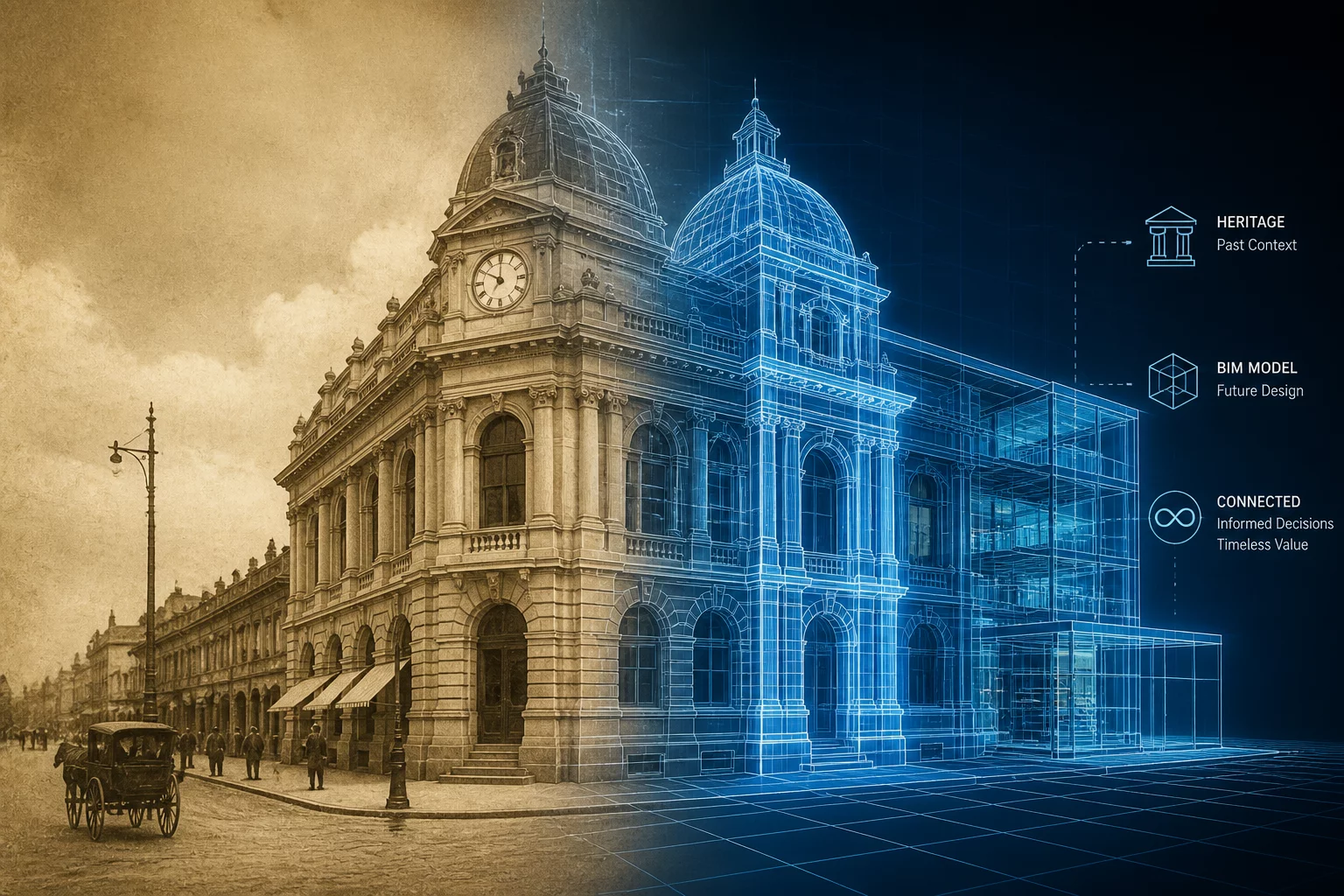
Beyond Current Geometry: Capturing the Chronological Narrative of Built Assets
Treating an existing building as a static snapshot during laser scanning often strips away critical structural heritage. Preserving historical context within Building Information Modeling establishes why certain structural members behave under non-standard load paths, which materials carry preservation constraints, and how past renovations modified initial structural integrity.
01 Contextualizing Existing Assets in Renovation Modeling
Modern laser scans capture physical reality down to the millimeter, yet point clouds contain zero intrinsic knowledge of construction eras, altered bearing conditions, or hidden structural retrofits. When historic fabric gets flattened into generic geometric masses, design teams lose the engineering logic that previous builders relied upon.
Embedding chronological data directly into parametric elements transforms static as-built models into longitudinal ledgers. This historical traceability informs demolition decisions, preventing the inadvertent removal of stabilizing ties, unrecorded underpinning systems, or culturally protected architectural fabric.
The Immutable Origin Rule in Heritage Modeling
Every physical component modeled from legacy surveys must retain an immutable initial construction date and documentation tier, regardless of subsequent alteration phases.
Essential Historical Context Data Points
- Verification of initial fabrication era and load-bearing typology.
- Cataloging of previous retrofits, mortar compositions, and structural alterations.
- Alignment of municipal heritage protection status with individual object parameters.
- Cross-referencing non-destructive testing findings with geometric element properties.
04 Frequently Asked Questions
Audit Your Historical Phasing Data Structure
Ensure your renovation models preserve accurate historical context and avoid costly surprises on site. Connect with our technical specialists for a structured phasing audit.
05 Related Documentation
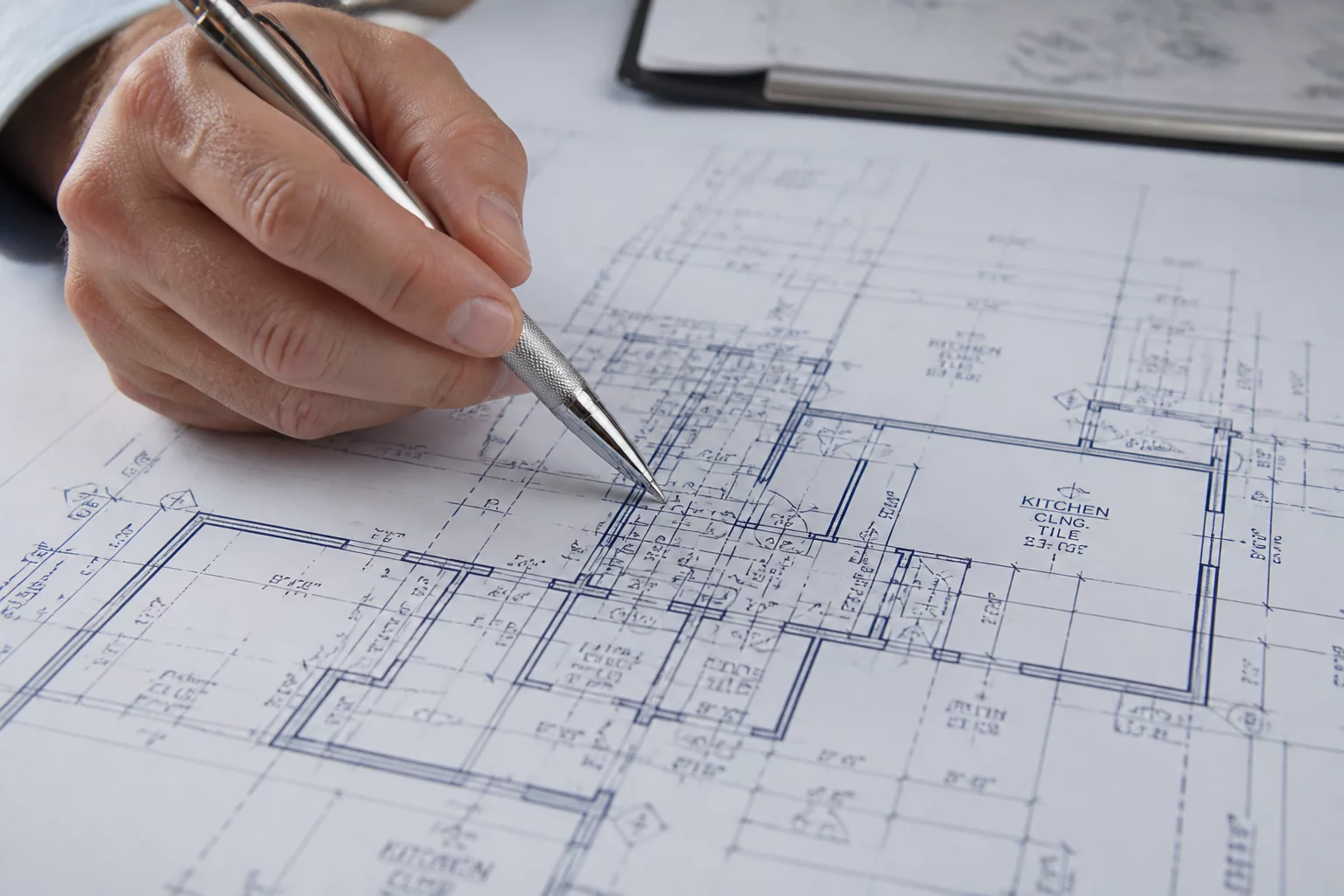
Understanding Object Timelines in Renovation
Master the sequential tracking of building components through multi-stage alterations to prevent schedule conflicts and duplicate modeling efforts.

Why Demolition Plans Need Future Context
Learn why isolation of demolition scope leads to structural disconnects and how downstream phase visibility preserves structural integrity.